Digital Marketing Services for Optometrist
Analysis and Strategy:
The Challenge
When VisionQuest Eye Care approached us, they were frustrated by the lack of results and poor communication. Despite working with a large firm, their unique needs as a small, locally-focused optometry practice were overlooked. The client sought a partner who could truly understand their business, and their market in Greenwood and Fishers to deliver measurable results.
The Solution
We began with an in-depth online marketing analysis to identify gaps and inefficiencies in their current strategy. Our findings revealed several critical issues:
- Content Marketing Plan
- SEO Strategy:
- Analysis: The SEO efforts were minimal, with no structured content strategy to boost organic traffic.
- Action: We developed a robust content plan that included monthly blog posts tailored to patient concerns and aligned with their brand.
- Google Ads Added:
- Analysis: They previously did not have Google Ads campaigns added to their marketing plan. This was integral to their success for those searching for what they have to offer.
- Action: We created campaigns to focus on high-performing local keywords such as “eye exams near me” and “prescription glasses in [city].” Features like location extensions were implemented to improve engagement and ROI. We also took full advantage of campaigns like Google Performance Max to showcase them in many Google properties such as search, YouTube, Gmail, and display ads.
- Social Media Ads and Improve Organic Marketing:
- Analysis: Their social media presence lacked consistency and engagement, and they weren’t leveraging paid social strategies effectively. there were no social media reels and little personality from the brand on the page.
- Action: We created a cohesive social media strategy that balanced organic posts and paid advertisements. Customized graphics reflected VisionQuest’s branding, while targeted ads promoted seasonal services, like back-to-school eye exams. We also did a video shoot to get videos to be able to use for social media short-form videos. We continue to provide them with ideas/scripts and suggestions for continually creating video content for us to edit and produce for them.
- Video Marketing:
- Analysis: Video content was underutilized, with little focus on engaging storytelling or platform-specific optimization.
- Action: We produced dynamic videos tailored to client goals, including product tutorials, testimonials, and brand narratives. Distributed strategically across YouTube, social media, and email campaigns, these videos boosted engagement and conversion rates.
- Email Marketing:
- Analysis: VisionQuest wasn’t maintaining consistent communication with past customers with no current email marketing campaigns.
- Action: We launched an email marketing campaign to share company updates, eye health tips, and more. This strategy kept the practice top-of-mind for returning patients and encouraged referrals. We also launched a second email campaign that focused on their referral sources from other doctors.
- Offline Marketing: Direct Mail
- Analysis: They lacked targeted offline strategies to complement their digital efforts, resulting in missed opportunities to engage local audiences.
- Action: We developed personalized, hyper-local-targeted direct mail campaigns featuring tailored offers and compelling visuals. Each campaign integrated tracking tools like QR codes to measure response rates, ensuring a seamless link between offline and digital channels.
- Sponsorship Marketing:
- Analysis: They were well engaged with opportunities to connect with local and industry-specific events to increase brand visibility and reputation.
Action: We identified more key sponsorship opportunities, such as community events and industry conferences, aligning with target demographics. By facilitating partnerships, we positioned clients as leaders in their fields, fostering trust and long-term relationships.
- Analysis: They were well engaged with opportunities to connect with local and industry-specific events to increase brand visibility and reputation.
- Hiring:
- Analysis: There have been ongoing hiring needs
Action: We provide a strategic campaign focused on hiring through social media efforts with both posts and ads. We also advised on landing pages needed in order to get more and better-qualified applications
- Analysis: There have been ongoing hiring needs
- Budget Allocation:
- Analysis: Budget allocation was inefficient, with significant overspending on low-performing channels and underfunding high-impact opportunities.
Action: We conducted a comprehensive audit to reallocate budgets toward high-performing platforms like paid search, social ads, and retargeting. Our data-driven approach optimized client spending, ensuring maximum ROI.
- Analysis: Budget allocation was inefficient, with significant overspending on low-performing channels and underfunding high-impact opportunities.





What our client thinks:
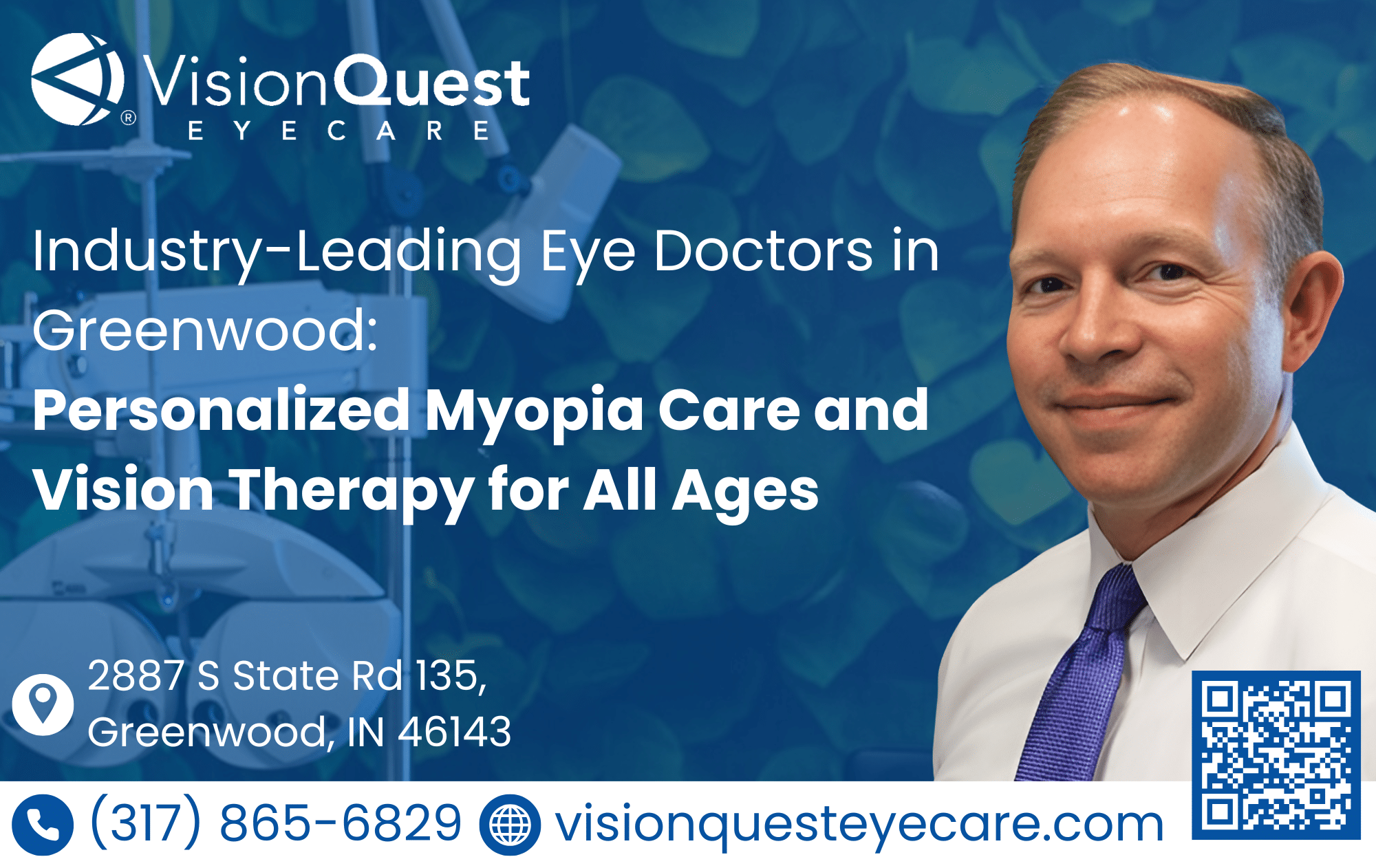
Marketing Creative Examples
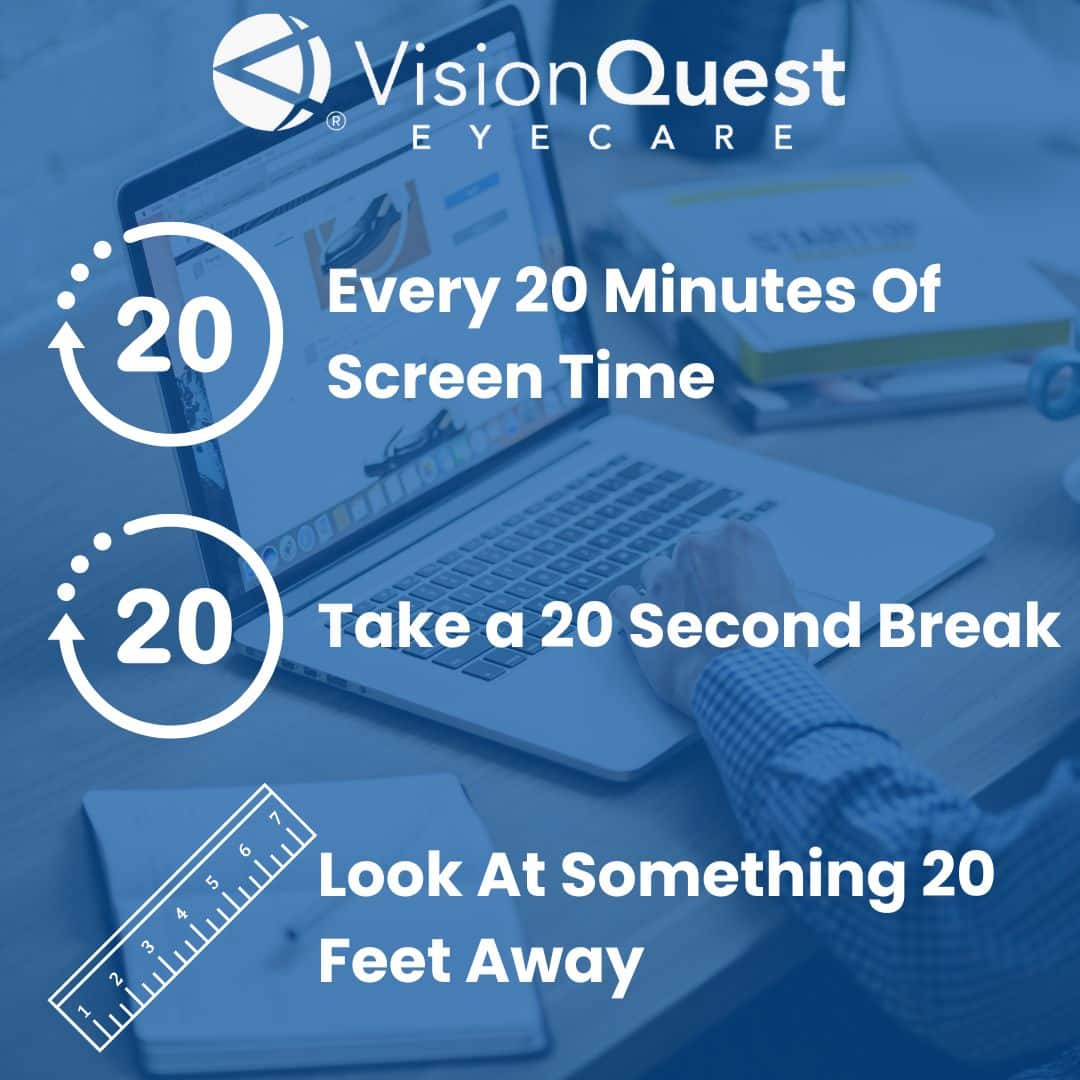
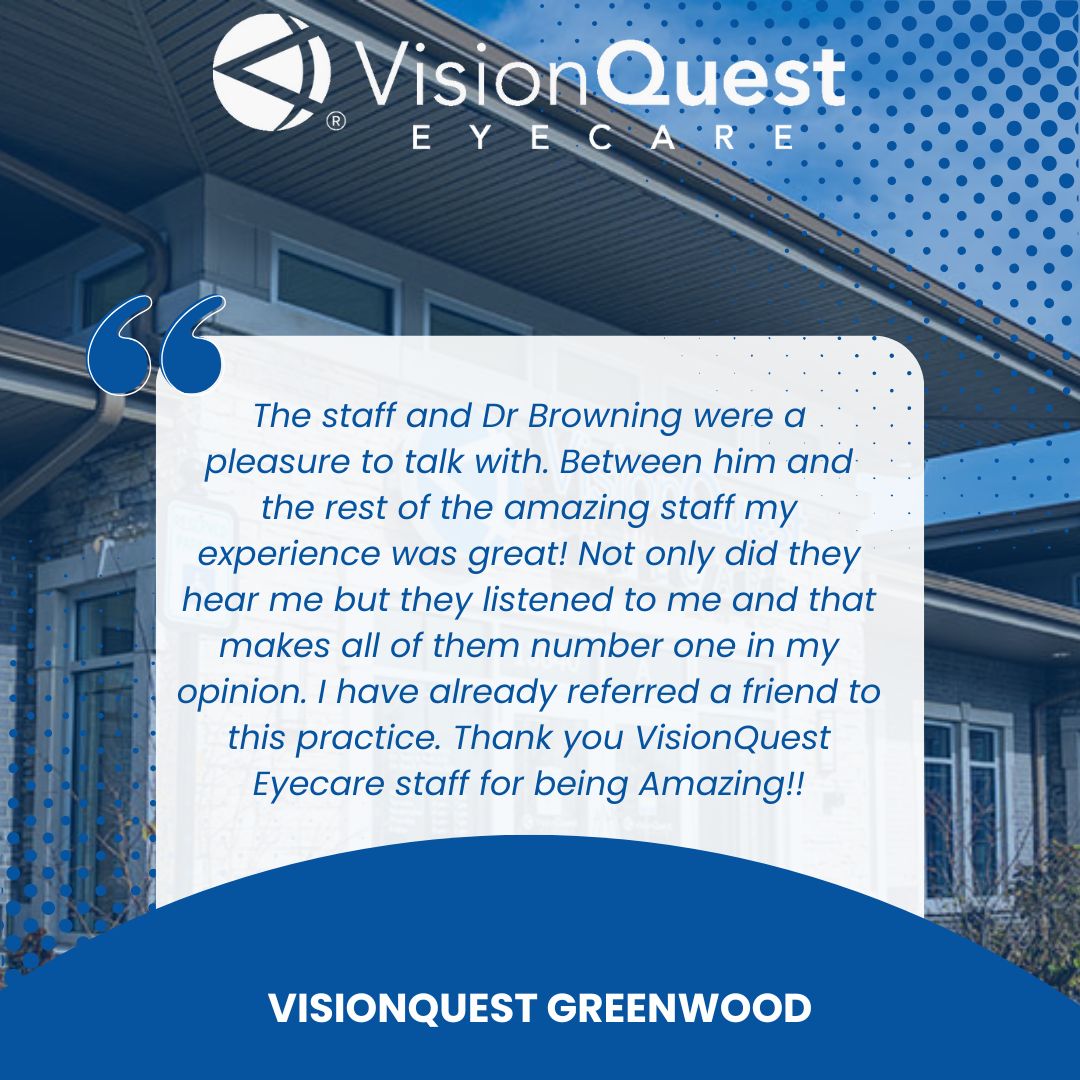
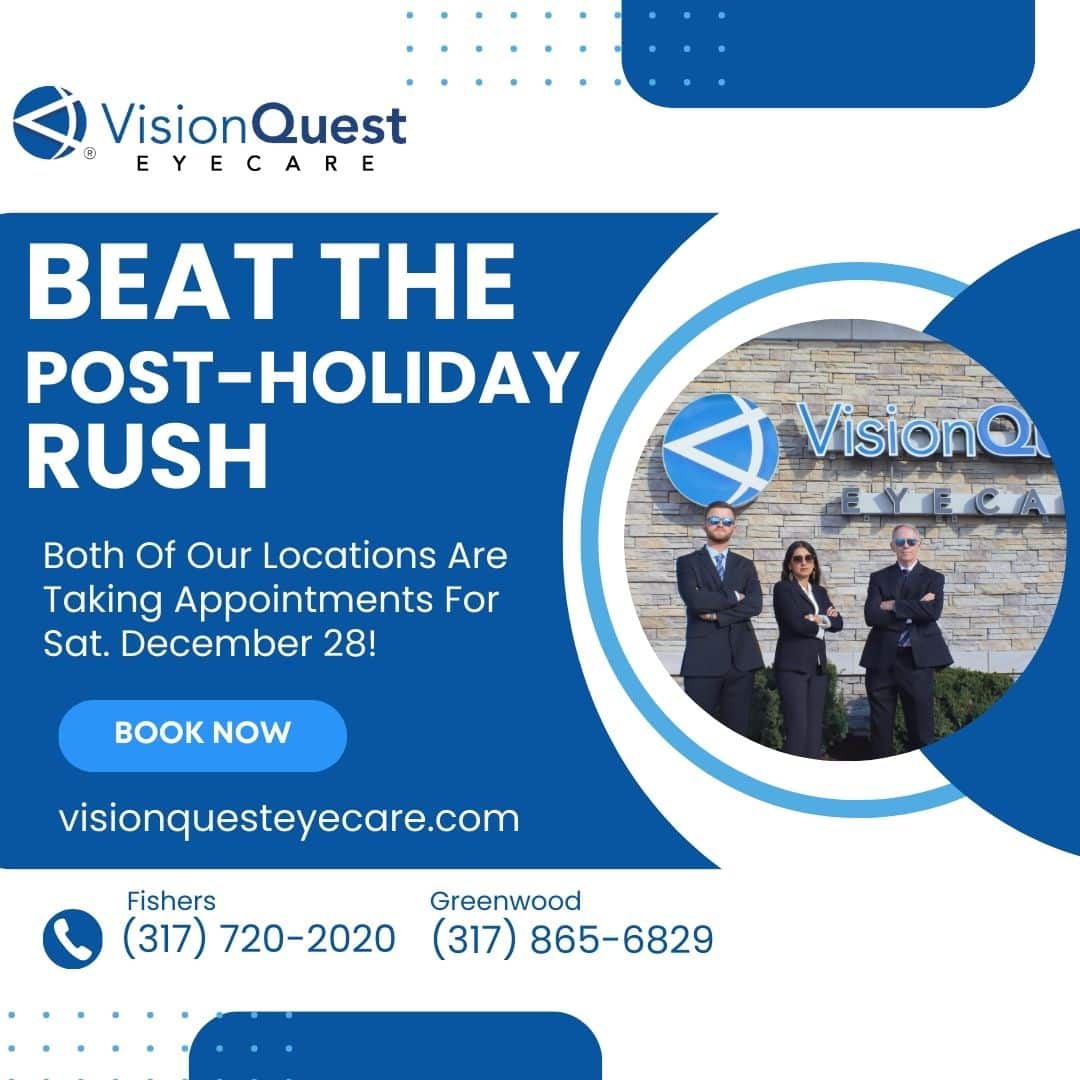
Social Media Examples
Magazine Aads
Videos
We are a Marketing Agency that Knows Eye Care:
Buying Cycles for Optometrists: Patient Appointment Trends and Insights
1. Post-Holiday Eye Care (January-February)
- Why: With the year-end holidays over, patients often act on resolutions for better health, including eye care. Many renew insurance benefits in January, prompting appointments for routine exams.
- Common Appointments: Eye exams, new prescriptions for glasses or contacts, and LASIK consultations.
- Insights:
- Seasonal campaigns can emphasize the importance of vision health as part of overall wellness.
- Marketing advice: Highlight insurance renewal reminders and promote discounts on eyewear to drive early-year traffic.
2. Back-to-School Vision Needs (July-September)
- Why: Families schedule appointments for children to ensure they are visually prepared for the new school year.
- Common Appointments: Pediatric eye exams, updates on prescriptions, and sports goggles.
- Insights:
- Promotions: Focus on special offers for families, such as “Kids’ Vision Back-to-School Packages.”
- Outreach: Partner with local schools or community events to provide free screenings or educational materials.
3. End-of-Year Insurance Utilization (October-December)
- Why: Patients rush to use up insurance benefits or flexible spending accounts before they expire.
- Common Appointments: Routine exams, purchases of glasses or contacts, and elective procedures like LASIK.
- Insights:
- Campaign timing: Run ads in late October emphasizing “Use it or lose it” for FSA benefits.
- Messaging: Highlight premium eyewear options covered by insurance plans.
Vision Care Buying Cycle
1. Awareness Phase (3-12 Months Before Visit)
- Why: Patients recognize symptoms like headaches, blurred vision, or difficulties with night driving. Some may see eye care ads during seasonal insurance reminders.
- Actions:
- Research common symptoms online.
- Explore reviews and ratings for local optometrists.
- Compare optometry services and pricing.
2. Decision-Making Phase (1-3 Months Before Visit)
- Why: Patients decide which provider to visit based on reviews, convenience, or service offerings.
- Actions:
- Book appointments online, especially through mobile-friendly platforms.
- Verify insurance acceptance and costs for exams or eyewear.
3. Booking and Confirmation (2-4 Weeks Before Visit)
- Why: Most patients finalize their choice and book an appointment.
- Actions:
- Download forms and prepare insurance documents.
- Receive reminders via email or text from their chosen provider.
4. Post-Visit Phase (1-4 Weeks After)
- Why: Patients consider purchasing eyewear or need follow-ups for ongoing care.
- Actions:
- Review new eyewear options, purchase additional accessories, or schedule follow-ups.
By aligning marketing campaigns with these detailed phases, optometry practices can consistently attract, engage, and retain patients, ensuring a steady flow of appointments throughout the year.