Why Local Wins: Turning Resilience into a Marketing Advantage Without Losing Who You Are
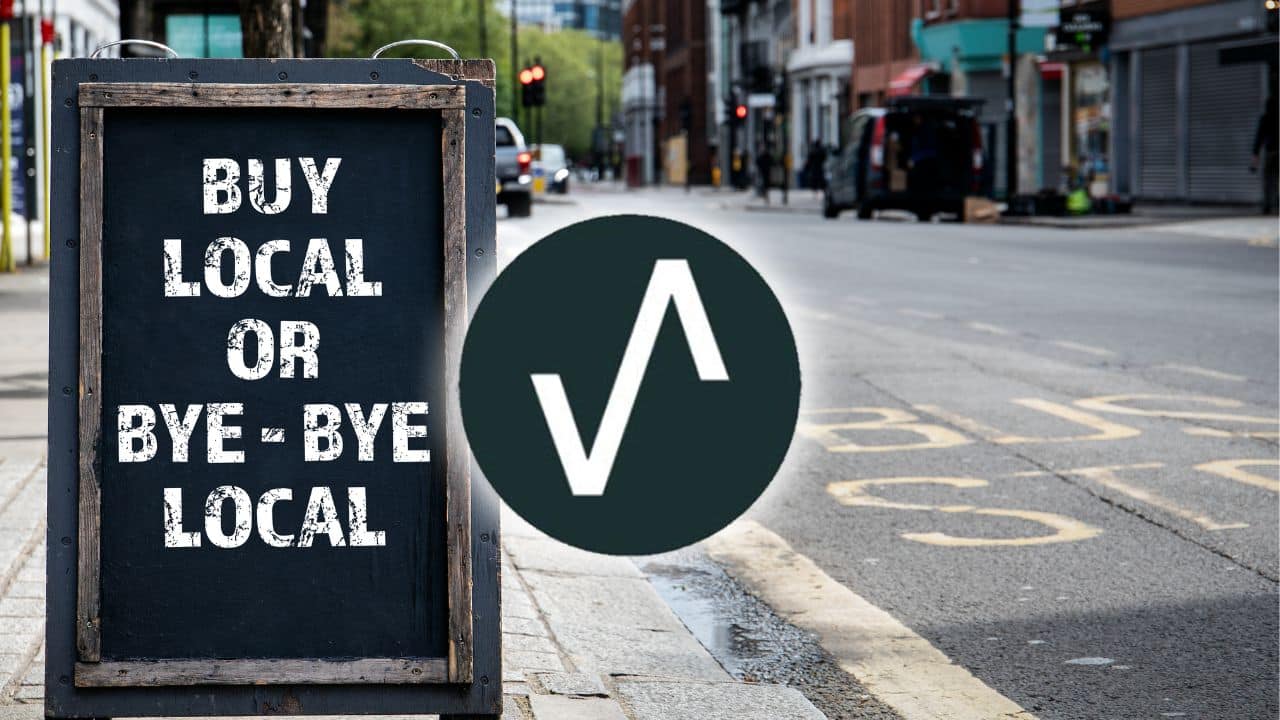
We’ve all heard the phrase, “You can’t control what happens to you, only how you respond.” In business, that’s not just a mindset—it’s a marketing strategy. Because the truth is, unpredictable forces—like tariffs, supply chain disruptions, or economic volatility—aren’t going away. But how do we message through them? That’s where leadership is born.
This isn’t about doom and gloom. It’s about opportunity. Not the kind you chase—it’s the kind you uncover by doubling down on what you already believe in. For many brands, that means getting closer to home—physically, emotionally, and operationally. Supporting local. Leaning into community. Not because it looks good in a press release, but because it feels good—and is good business.
Resilience Isn’t Political—It’s Strategic
Let’s get something out of the way: this isn’t a political argument. We’re not here to wave a flag or take sides. We’re here to help brands take responsibility for their response to challenges they can’t control. Tariffs? They’re not new. They may rise, fall, or disappear. But how your brand adapts—that’s what your customers will remember.
You don’t need to say “tariff” in your marketing. In fact, you probably shouldn’t. What you should say is:
“We’re closer. That means we deliver faster.”
“We invest here, because this is home.”
“When the world shifts, we stay steady.”
These messages work not because they’re reactive—but because they’re reflective of who you are at your core.
This Isn’t a Pivot. It’s a Pull-Through.
Let’s make one thing clear: supporting local isn’t a costume you wear when the market demands it. It has to come from somewhere deeper.
This isn’t about changing who you are to fit a trend. That’s how brands lose trust—and lose themselves. This is about pulling forward the parts of your brand that already care about people, proximity, and place.
When brands feel compelled to suddenly talk about giving back or community support in tough times, the question shouldn’t be, “How do we say this?” It should be, “Is this true of us?” If it is, great—turn it up. If it’s not, it’s time to take a deeper look at what you stand for.
Because leadership in marketing doesn’t come from imitation. It comes from alignment—between your message, your mission, and your model.
Why Supporting Local Still (and Always Will) Work
We’ll say it plainly: helping your neighbors has never been bad business.
Supporting your local economy isn’t about using cause marketing as a gimmick. It’s about making a real impact that aligns with your values—and then telling that story honestly.
Your messaging isn’t “Buy from us because we donate to charity.” It’s:
“We believe in helping the community that built us. Here’s what that looks like.”
And that story feels good to people. Because we’re all craving something meaningful to support—especially in a world that often feels chaotic and transactional.
Cause marketing only works when the cause is connected to your core. That’s why local partnerships and community support work so well. They’re not random. They’re rooted.
Where to Start: Questions to Uncover Your Core Values
If you’re unsure what values your brand should amplify, start by answering these:
What do we believe beyond making a profit?
Who are we here to serve—really?
What impact do we want to make in 5, 10, 20 years?
What issues get our team genuinely fired up?
If we could only support one cause, what would feel most authentic?
Where does our team already volunteer, give, or care deeply?
What’s happening in our local community that intersects with our business?
What kind of legacy do we want to leave?
These answers aren’t just for the brand book—they shape your messaging, campaign direction, partnerships, and culture.
Cause-Driven Campaigns (That Actually Mean Something)
When you know what you stand for, campaign ideas become natural extensions of your brand—not awkward add-ons.
Here are a few examples that hit the mark:
Revenue with a Return: “For every $500 sold, we invest $25 into local trade schools that build tomorrow’s workforce.”
Customer-Directed Giving: “Every customer helps choose which community nonprofit receives our monthly donation.”
Full-Circle Sourcing: “Our suppliers are all within a 250-mile radius—because keeping dollars local keeps communities strong.”
Transparent Tracking: “Here’s exactly where your purchase dollars go and who it helped this quarter.”
These campaigns aren’t self-congratulatory. They’re participatory. They bring the customer into the story of your impact.
Messaging That Leads—Not Reacts
When the economy stutters or headlines swirl, don’t scramble to reposition. Instead, lead with clarity and confidence:
“We’ve always believed in building close to home.”
“Our values haven’t changed—we’re just voicing them louder.”
“We support our neighbors, because they’ve always supported us.”
This kind of messaging resonates because it feels safe. It reassures. It reminds customers that while the world changes, you don’t.
And when your competitors are responding with fear, you’re showing up with focus. That’s what leadership in marketing looks like.
Final Take: Local Isn’t a Trend—It’s a Truth
At the heart of it all, proximity is powerful because it feels personal. Whether it’s where you build, how you ship, or who you give back to—being close still matters.
But don’t do it because it’s trending. Do it because it aligns with your identity. Do it because your values point you there. Do it because it makes sense for your business, your team, and your future.
Because when your marketing is rooted in who you truly are, no disruption—tariffs, delays, downturns—can shake your message.
And more importantly, no one else can copy it.